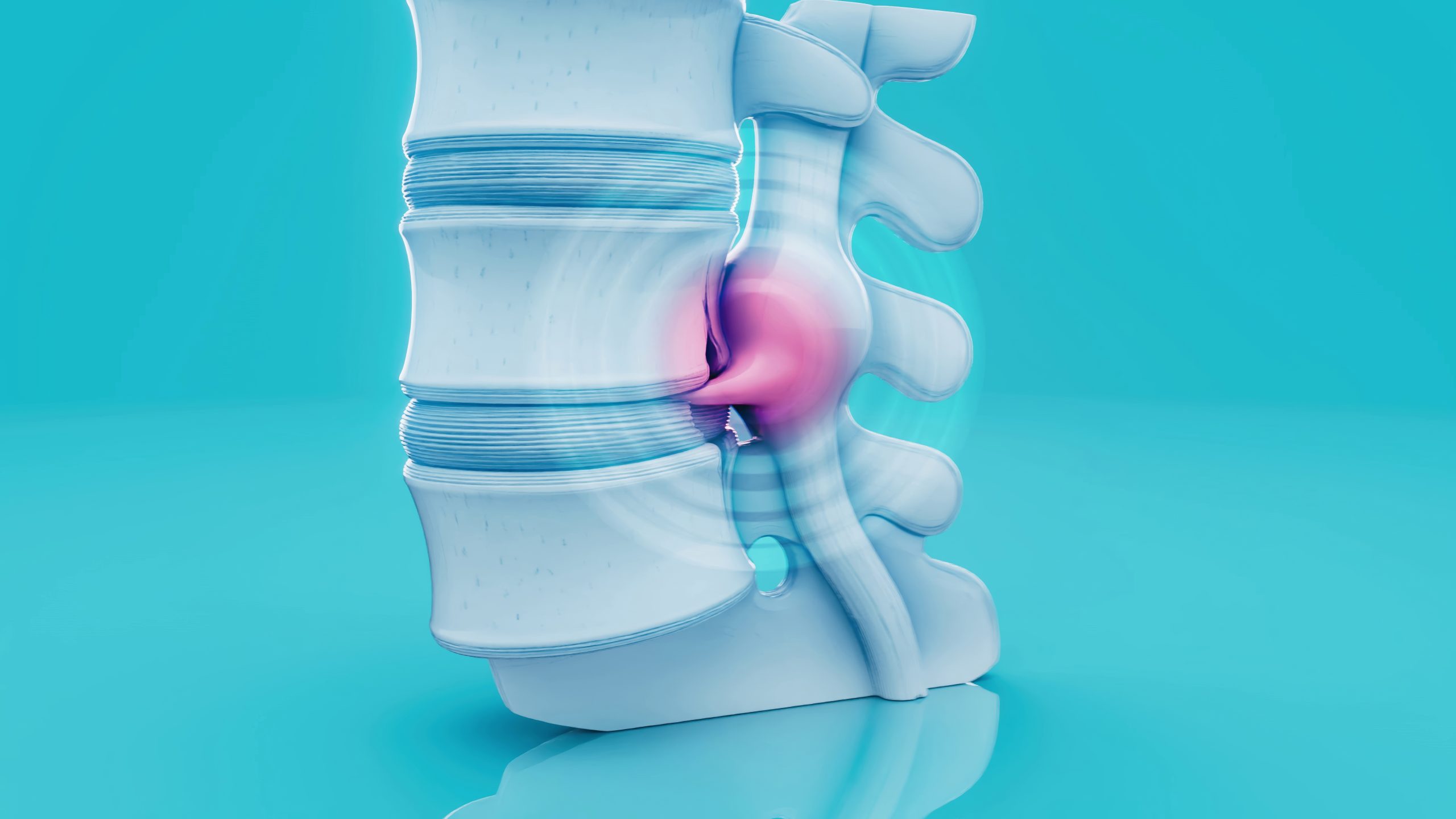
What is sciatica-like pain?
Sciatica-like pain is a term used to describe pain that begins in the lower back or glute area and travels down one leg. It may feel aching, tight, burning or heavy and can sometimes include tingling.
It does not always mean true sciatica. In many cases, the sciatic nerve is irritated rather than compressed, and the pain is influenced by movement habits, muscle tension and nervous system sensitivity.
Who does it affect?
Sciatica-like pain is very common and can affect:
• People who sit for long periods
• Those with desk-based or driving jobs
• Active people who train hard without enough recovery
• Women during perimenopause or menopause
• Anyone under high or prolonged stress
It can occur in both active and inactive individuals.
Why does it happen?
Sciatica-like pain often appears when the body becomes protective.
Contributing factors include:
• Tight glute or deep hip muscles
• Reduced hip or spinal mobility
• Weakness or poor control around the core and hips
• Long periods of sitting or repetitive movement
• Fatigue and poor recovery
• Elevated stress levels affecting the nervous system
Pain can persist even without structural damage.
What commonly causes flare-ups?
• Sitting for too long
• Sudden increases in exercise intensity
• Aggressive stretching
• Poor lifting mechanics
• Stress and poor sleep
Fitness Pilates: exercises to avoid or modify (especially during flare-ups)
• Deep spinal flexion such as full roll-ups or fast crunches
• Long-lever leg lifts and double leg lowers
• Aggressive hamstring or piriformis stretching
• Large or fast spinal rotation
• Holding positions that reproduce sharp or nerve-type pain
Fitness Pilates: exercises to apply (focus on support, control and calm)
• Pelvic tilts
• Bent-knee tabletop work, marching and toe taps
Shoulder bridge (small, controlled range)
Clams and side-lying leg work with bent knees
Cat-cow in a slow, pain-free range
• Squats and sit-to-stand patterns
• Breath-led movement with slow transitions