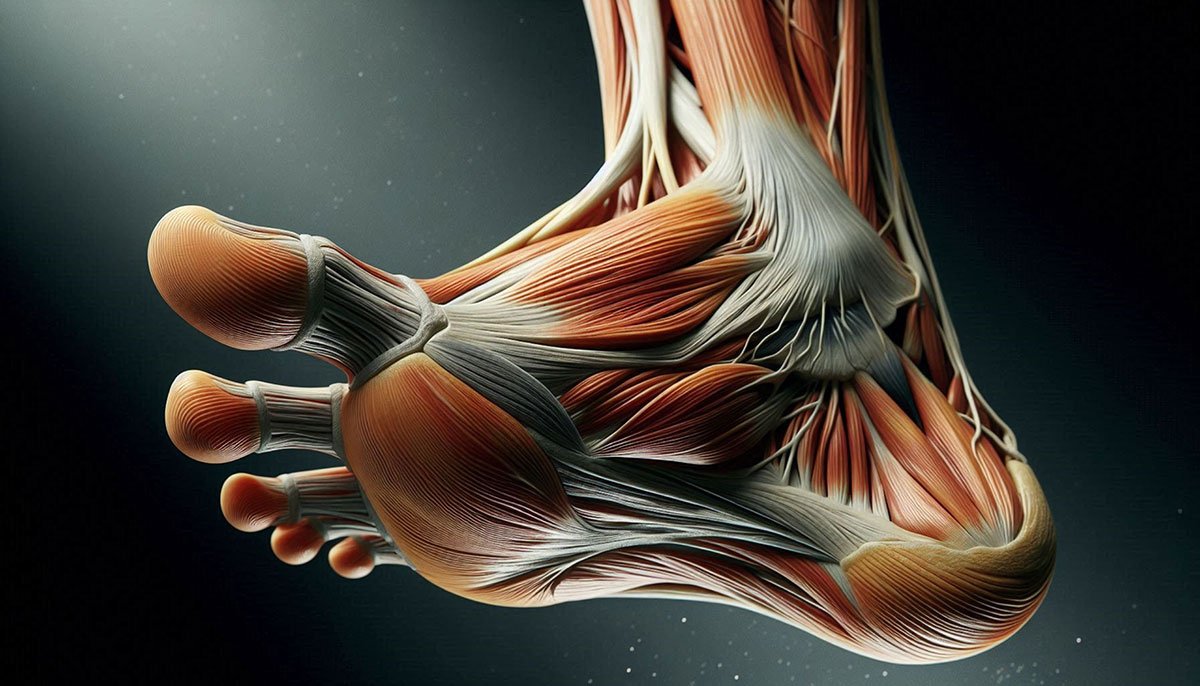
What are tendon issues?
Tendon issues refer to problems affecting tendons, the strong connective tissues that attach muscle to bone. Their job is to transmit force so we can move, lift, walk, run, and stabilise joints.
Most long-term tendon problems are tendinopathy, not inflammation. This means the tendon has reduced load tolerance and altered structure, often due to overuse, under-loading, poor movement patterns, or sudden changes in activity.
Commonly affected tendons include the Achilles, patellar (knee), gluteal, hamstring, rotator cuff, and elbow tendons.
Who do tendon issues affect?
Tendon issues are extremely common and affect a wide range of people, including:
• Active adults who train regularly
• Walkers, runners, and gymgoers
• Peri- and post-menopausal women {hormonal changes affect tendon health)
• People returning to exercise after a break or injury
• Desk-based workers with poor movement variability
• Older adults (tendon stiffness and recovery capacity change with age)
• People who do a lot of repetitive movement or load one area more than others
Many clients will arrive saying they’ve been told to “stretch it” or “rest it”, which often delays recovery.
The DOs of Fitness Pilates for tendon issues
DO:
• Focus on slow, controlled strength work
• Prioritise alignment, joint positioning, and control
• Strengthen supporting muscles {hips, glutes, scapula, core)
• Work in mid-range before progressing to end range
• Educate clients that strength builds tendon resilience
The DON’Ts of Fitness Pilates for tendon issues
These are the most common mistakes instructors make.
DON’T:
• Over-stretch painful tendons or hold long static stretches
• Bounce, pulse, or force endrange positions
• Push through sharp or increasing pain
• Use high-rep fatigue work with poor control
• Add sudden volume, intensity, or new exercises too quickly
• Treat all tendon issues the same – location and stage matter
Stretching into pain does not heal tendons and often makes symptoms worse.
Tendons need load, not rest, but the right kind of load.
• Movements are slow and intentional
• Loads are appropriate
• Technique and progression are prioritised
For many clients, this is the missing link that helps them move from pain and fear back into confident, strong movement.